



Be In The Know
November 26, 2025
Rooted in Community: Invasive Tree Species Pose Threats to Local Ecosystems
Your landscaping choices have a larger impact on Virginia Beach’s tree canopy than you may realize.
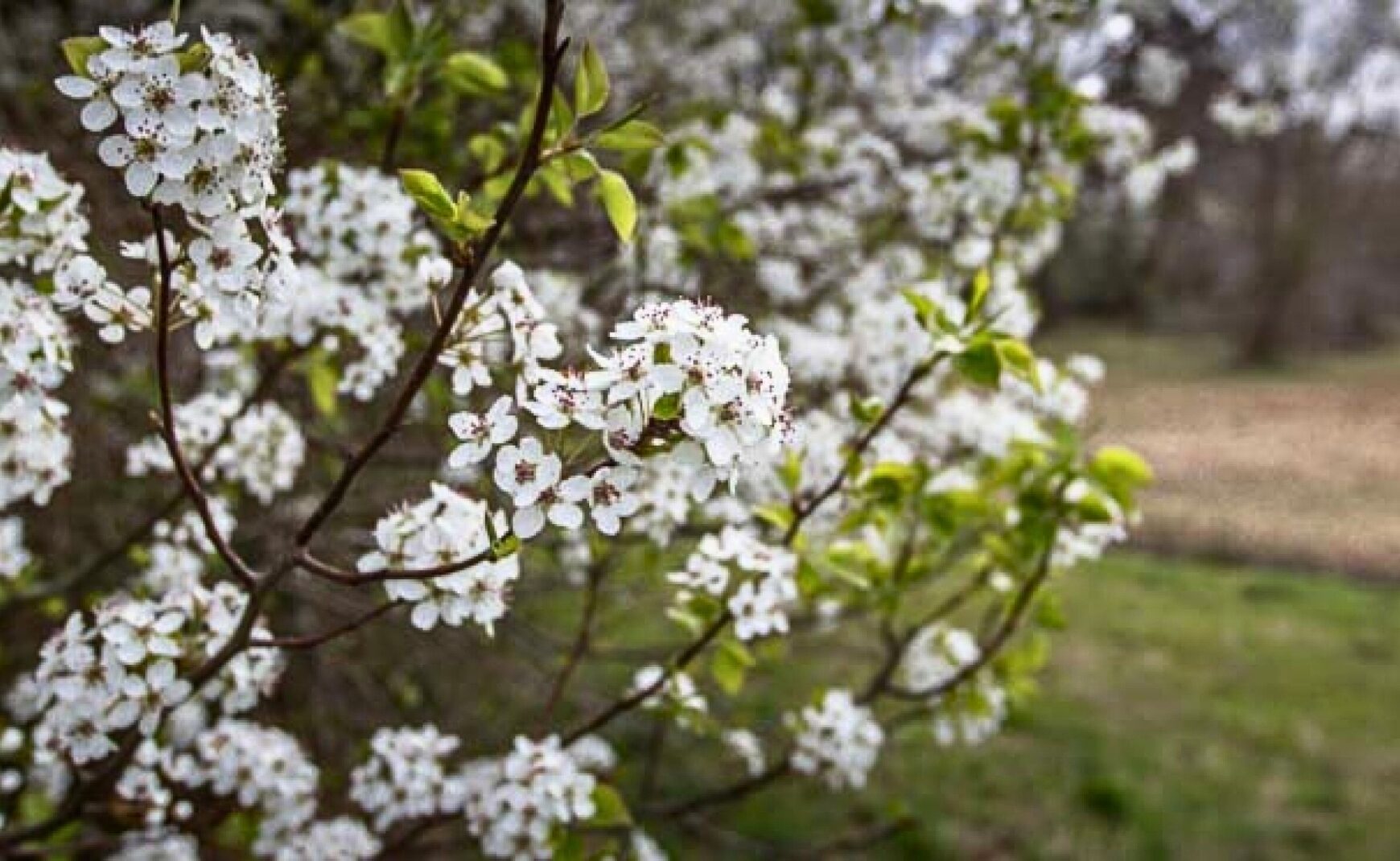
Virginia Beach is known for its coastal charm and tree-lined suburban neighborhoods, but beneath the beauty, there’s a silent ecological problem: invasive tree species that displace native plants, damage local ecosystems and can even pose a risk to public safety.
What does “invasive” mean and why should we care?
Invasive plants are non-native varieties that are intentionally or accidentally introduced to an area through human activity. They can spread in ways that create harm – whether economic, environmental or health-related.
Though these plants and trees may look pretty planted in a yard, their ecological cost can be high:
- Invasive trees change the structure of local forests, reduce native plant populations and displace wildlife that depend on native species.
- Some trees, like the Bradford pear, have structural issues, making them susceptible to coastal storms or high winds.
- Controlling invasives isn’t free. Removing them, managing regrowth and replanting with natives requires time, money and effort.
Typically, invasive plants grow and mature quickly, produce a lot of seeds that then spread and germinate easily, ultimately out-competing native species. They also tend to be expensive to remove or control.
How can I identify an invasive plant?
The Virginia Department of Conservation and Recreation maintains a list of invasive plant species in Virginia.
Many of Virginia Beach’s invasive species were intentionally planted, often decades ago, to enhance local landscapes. Those plants then began spreading uncontrolled. Some of the most prominent culprits include the Bradford (Callery) pear, the mimosa (silk tree) and the tree of heaven.
Bradford Pear
The Bradford pear (a popular variety of Callery pear) is pretty, but problematic. Though attractive, they have a strong, unpleasant scent. Originally selected for urban landscapes because they grow fast, have white spring blooms and tolerate tough conditions, we’ve since learned that they also reseed aggressively, often forming dense thickets in a short amount of time – displacing native species and reducing local biodiversity.
Bradford pears are also structurally weak and especially vulnerable to coastal storms, dropping large limbs or toppling entirely in strong winds.
Mimosa
Mimosa trees are often planted for their ornamental appeal and delicate pink flowers. Unfortunately, they also produce a lot of seeds in flat pods. When the pods dry, they burst, flinging seeds that can travel a considerable distance. The trees are very adaptable and tolerate a variety of soil conditions, so over time, they can colonize open spaces and outcompete native plants.
Tree of Heaven
One tree of heaven can produce up to 350,000 seeds in a year. Seedlings germinate quickly and outpace many native species in competition for sunlight and space. This variety of plant also produces a toxin in its bark and leaves which accumulates in the soil. The toxin inhibits the growth of other plants.
Further, it is difficult to remove once established and has persisted in areas despite cutting, burning and herbiciding. Seedlings should be removed by hand as early as possible, preferably when soil is moist to ensure the entire taproot is removed.
What is the City doing about invasives?
- The City has an ongoing project to remove Bradford pear trees from public areas, most recently Holland Road and Rosemont Road, and replace them with a diverse variety of native alternatives.
- Public Works is partnering with the US Army Corps of Engineers to improve the health of the Lynnhaven River by removing invasive species and reviving quality wetlands that will help to clean and store runoff prior to it entering the waterway.
- The City’s Pleasure House Point Wetlands Restoration Project aims to restore 8 acres of partially wooded land to its natural state of tidal wetlands. In addition to low-lying wetlands grasses and plantings, more than 700 trees are being planted including several hundred live oaks and nearly 200 water oaks. About 650 native trees, including 100 live oaks (Virginia Beach’s official tree) were also preserved from the site and relocated.
What can residents do to help protect the Virginia Beach canopy?
You can help protect Virginia's forests and Virginia Beach’s canopy by educating yourself about invasive species, taking action to prevent their spread and reporting sightings of new threats.
- Learn more about invasive species and avoid planting them in your landscaping. Instead, use native alternatives such as the eastern redbud, sweetbay magnolia, river birch or red maple.
- Take actions to prevent the spread and establishment of invasive species. The Virginia Department of Forestry runs a Callery pear exchange program which promotes the removal of these trees. During certain times of the year, landowners may remove Brandford pears and receive a native tree in return.
- Map and report invasive species. Use the tools and contact information available at this link to report sightings of invasive species.
Though they may seem harmless, over time, invasive plants can quietly reshape our urban forests and damage the natural character of Virginia Beach. By raising awareness and taking action, property owners can help protect native biodiversity, reduce long-term ecological costs and ultimately make our city more resilient.
Keep Reading
See All PostsBlog

Blog
Blog

-
Calendar News Blog Hot Topics Multimedia Social Media Mobile Apps