




Be In The Know
December 18, 2025
Housing Matters: Reducing Homelessness Starts and Ends with Affordable Housing
Proactive and permanent housing strategies helped prevent and end homelessness for over 470 households last year.
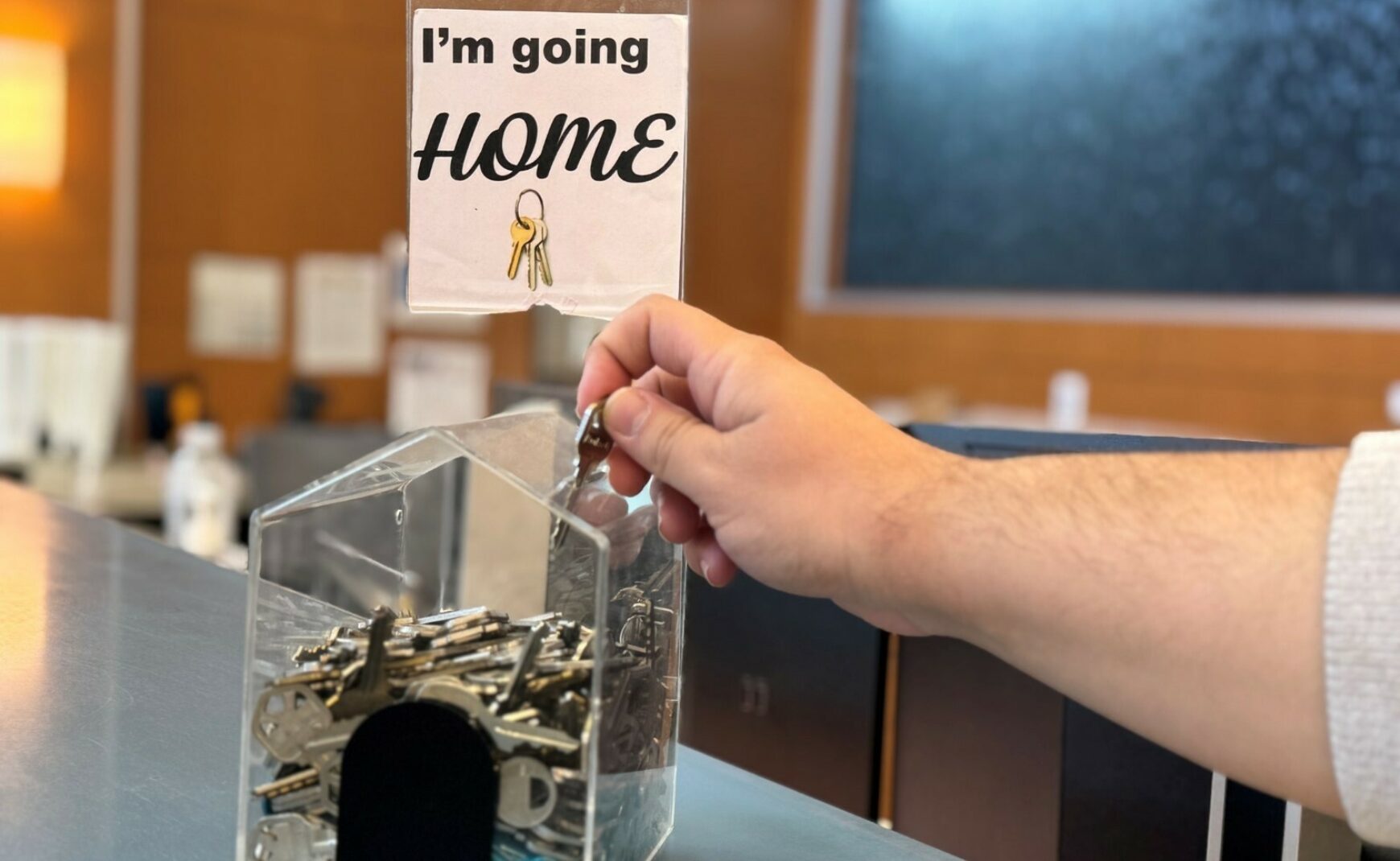
At its core, homelessness stems from a housing affordability issue. In recent years, Housing & Neighborhood Preservation’s Homeless Services division has seen an increase in the number of households who are at risk of experiencing homelessness. Residents who accessed the homeless service system cited an inability to afford increased rent or eviction as the top reason they lost their housing. Families and individuals are also remaining homeless — in shelter and on the streets — for longer periods of time due to a lack of affordable housing options.
Despite these challenges, the City continues to make meaningful strides through proactive and permanent housing strategies. In 2024, Homeless Services helped prevent 354 households from becoming homeless and connected 118 households to safe, stable housing.
The Link Between Housing Cost Burden and Homelessness
Housing is generally considered affordable when households do not spend more than 30% of their income on housing costs. Households that spend above 30% are considered housing cost-burdened.
When households have difficulty affording housing, they may have to sacrifice essentials such as healthy food, transportation, health care and child care. A sudden loss of income or emergency expense — layoff, family breakup, natural disaster or long-term illness — can amplify existing affordability challenges. Cost-burdened households with very low income are especially at risk of experiencing homelessness, because personal and financial hardships, even minor ones, can easily snowball into a housing crisis, such as missed rent and utility payments.
Proactive Solutions for Stable, Affordable Housing
To address these challenges head-on, the Homeless Services Prevention Team at the Housing Resource Center (HRC) assists those in imminent danger of losing their housing. The team provides short-term financial assistance for rental arrears and tries to resolve tenant issues between family members or landlords to help keep residents stably housed. Staff also finds alternative housing opportunities and connects households to other resources, such as case management, to achieve self-sufficiency.
To help close the affordability gap, Housing & Neighborhood Preservation also administers various federal-, state- and City-funded assistance programs to help thousands of Virginia Beach households with low income – including seniors and individuals with disabilities – to afford rental housing provided by private landlords.
Affordable Housing Is Key to Reducing Homelessness
Increasing our system’s capacity to provide permanent, affordable housing is needed to shorten the length of time individuals are unhoused and significantly reduce homelessness overall.
Currently, our system has a total of 820 housing units provided by our nonprofit partners that are reserved for residents experiencing homelessness in Virginia Beach. Most units are dedicated to certain groups, such as veterans, victims of domestic violence and youth (ages 18-24).
Units are also connected to specific programs that provide a range of housing and case management assistance, from short-term (few months or years) to permanent. About 98% of homelessness programs in Virginia Beach are funded at the federal and state levels, which determine the definition of “homelessness” and limits who can be served and how. While this means there isn’t a one-size-fits-all approach to filling housing vacancies, it does ensure assistance is appropriately tailored to address the unique needs of each household.
Once housed, households receive wraparound support to address other areas that might affect their ability to maintain housing. These include job training, childcare assistance, substance abuse recovery programs, health services, counseling, programs to supplement their income and other resources.
Opening Doors
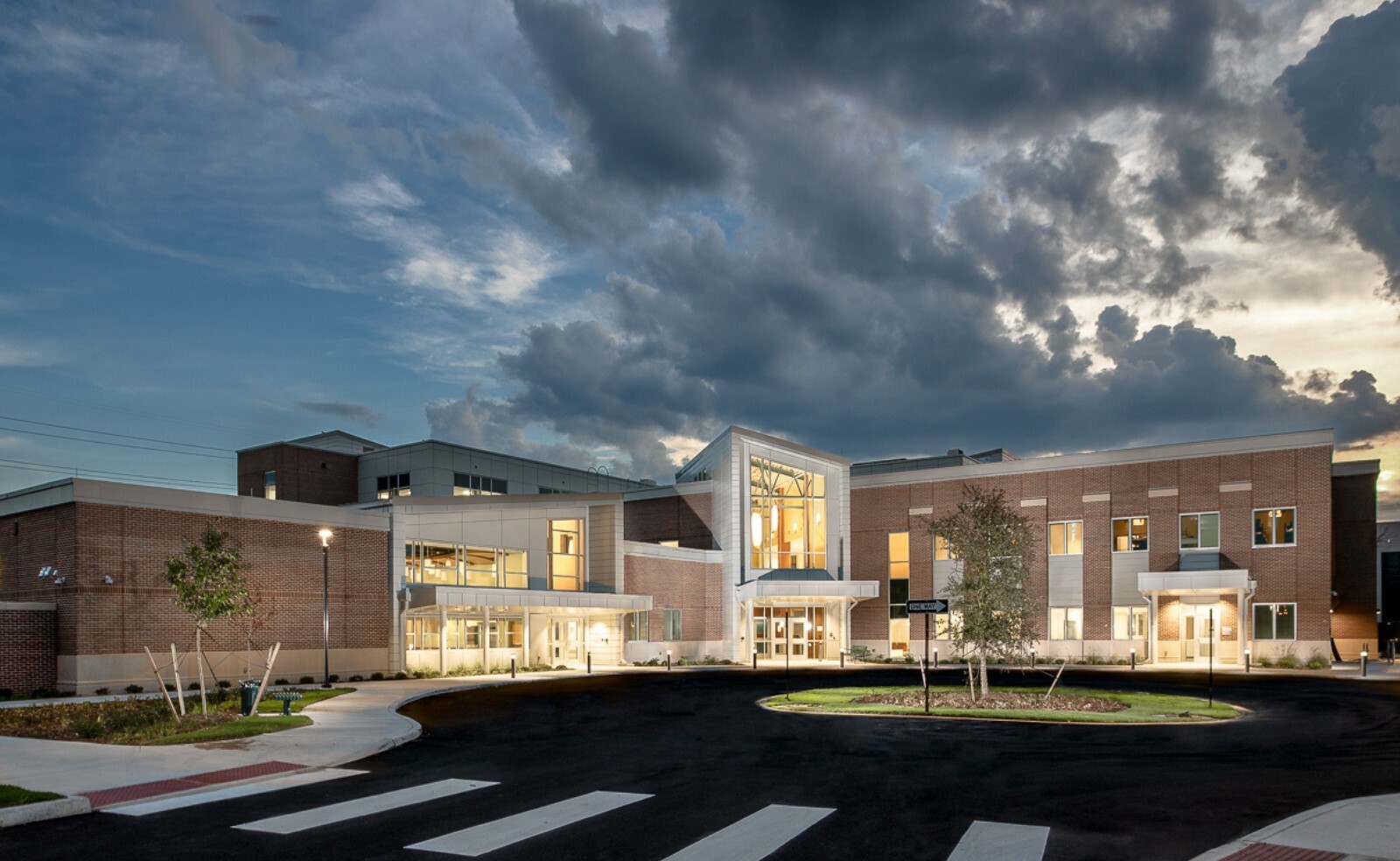
In early 2026, the Judeo-Christian Outreach Center will complete its new campus, which will include 38 affordable housing units for individuals exiting homelessness. The City contributed $500,000 in American Rescue Plan Act (ARPA) funds and an additional $500,000 through Housing & Neighborhood Preservation’s federal HOME funds toward the construction of these new, permanent supportive housing units.
Get and Give Help
- Individuals who are experiencing homelessness or a housing crisis in Virginia Beach can access the homeless service system by visiting HRC, 104 N. Witchduck Road. Walk-in hours for triage and assessment for housing and shelter programs are available 8 a.m. to noon, Monday, Tuesday, Thursday and Friday. The Regional Housing Crisis Hotline, 757-227-5932, is also available from 8 a.m. to 5:30 p.m., Monday through Friday.
- Organizations that provide support services, including a list of faith-based food pantries, clothing and financial resources; health services; basic assistance and more are available at BEACHCommunityPartnership.org/Get-Help.
- Partnership opportunities to expand affordable housing are available for landlords, developers and nonprofits. Learn more at VirginiaBeach.gov/HousingPartner.
City Council approved the development of an education campaign on affordable housing, which was recommended in the 2024 Housing Study report. Housing Matters is the City’s educational and outreach initiative led by Virginia Beach Housing & Neighborhood Preservation that aims to increase residents’ understanding of affordable housing and the need in Virginia Beach.
Community of One: All In is the City’s strategic plan to address homelessness for FY 25-30, adopted by City Council in May 2024.
Keep Reading
See All PostsBlog
Blog

Blog

-
Calendar News Blog Hot Topics Multimedia Social Media Mobile Apps