








Be In The Know
November 24, 2025
E-bikes 101: What Every Rider Needs to Know
Electric-assisted bicycles (e-bikes) are becoming more popular but bring increased risks.
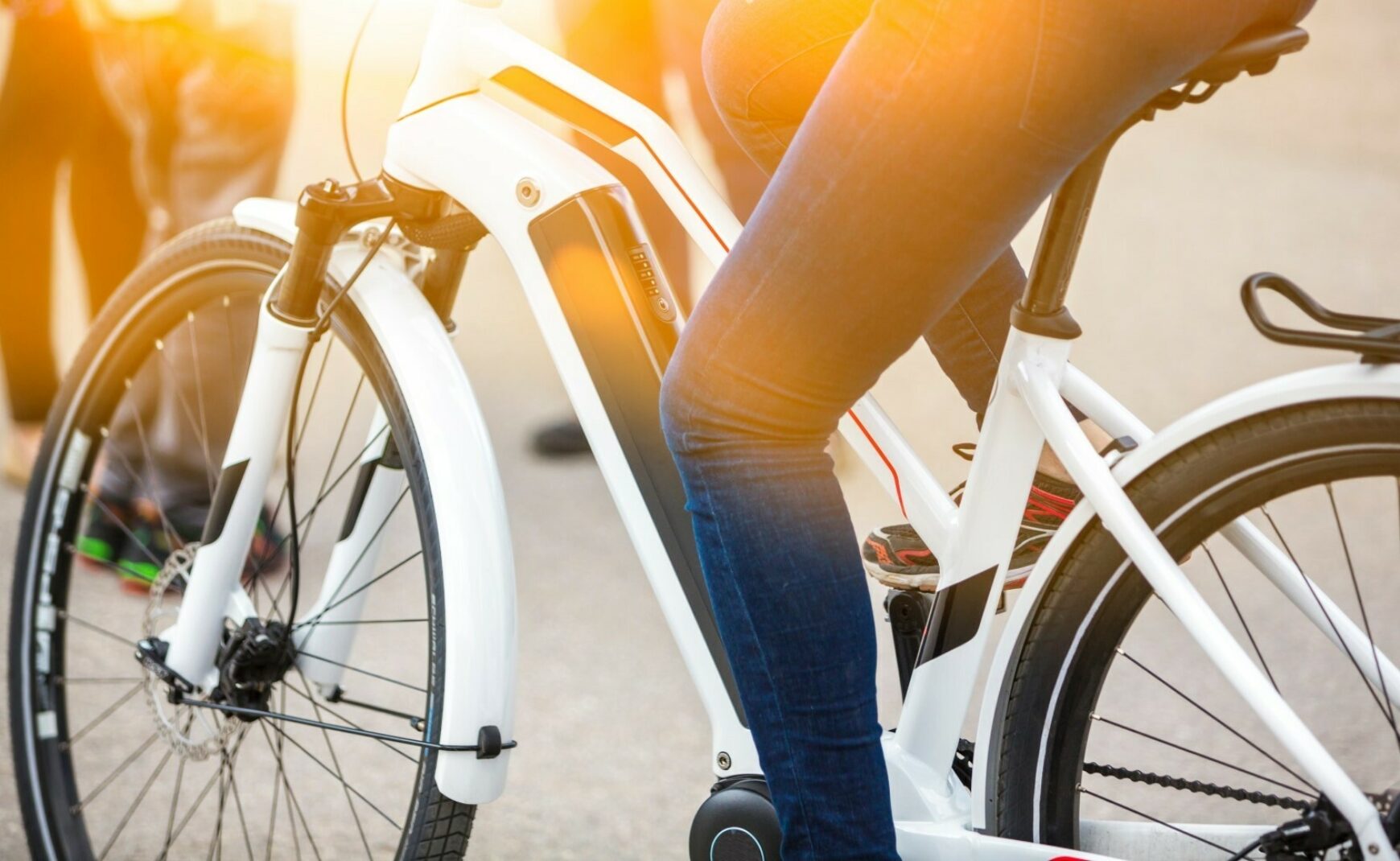
E-bikes’ capabilities and speed can make them more fun and efficient than traditional pedal bikes, but they also carry enhanced risk for unfamiliar riders or individuals who use them irresponsibly.
Here’s a primer on the basics of e-bike ownership and operation — how they work, how to ride safely, local laws, as well as how to properly charge and maintain them.
How are e-bikes different?
An e-bike is a bicycle equipped with pedals for human propulsion and an electric motor that assists or propels the bike. In Virginia there are three classes of e-bikes:
- Class 1: Pedal-assist only (the motor only engages when the rider pedals), top assisted speed of 20 mph.
- Class 2: Throttle-assist only (motor may be used to propel without pedaling) up to 20 mph.
- Class 3: Pedal-assist only (no throttle) and the motor stops assisting at 28 mph. Riders and passengers must wear helmets; riders must be at least 14 years old.
Because of the motor assistance, e-bikes can accelerate more quickly, maintain higher speeds with less effort, cover longer distances and climb hills more easily than a traditional bike. All of these factors increase the risks associated with operating one, especially if riders do not properly anticipate the power, speed and momentum of the e-bike.
Virginia Laws and Local Virginia Beach Rules
State-wide Laws
- E-bikes are afforded all the rights and are subject to the same restrictions as bicycles.
- Riders must obey general bicycle laws. For instance, when an e-bike travels more slowly than other traffic, it must ride as close as safely practical to the right-hand curb or edge of the roadway, except when preparing to turn, avoiding hazards or overtaking.
- Class 3 e-bikes require a helmet for both operators and passengers and must have a speedometer to display miles per hour.
Virginia Beach Code
- E-bike riders 14 or younger must always wear a helmet; for Class 3 e-bikes, the state law applies for all riders and passengers.
- E-bikes are not permitted on the Boardwalk or Boardwalk Bike Path.
- Riders must ride no more than two abreast, not impede traffic, and drivers overtaking e-bikes must yield a 3-foot clearance.
- Violations (such as reckless riding, racing, holding onto moving vehicles) may result in fines of up to $200.
- E-bikes, like traditional bikes, are prohibited on sand dunes and the beach unless specifically permitted.
Best Practices for Safe Riding and Operation
Pre-Ride Checklist
- Inspect the e-bike before each ride: Ensure brakes work properly, tires are inflated, chain or drive system is engaged, motor assists properly and stops when you stop pedaling or apply the brakes.
- Ensure the battery is secure, and cable connectors are intact; check for any damage to wiring.
- Make sure your helmet and other protective gear are in good shape.
When Riding
- Ride with the flow of traffic (not against it).
- Use bike lanes whenever available. If they are not, ride as far to the right as is safely practical unless preparing to turn, overtaking, avoiding hazards, etc.
- Obey traffic signals and signs, hand signal your turns and yield to pedestrians.
- Maintain a safe speed and adjust based on traffic, pedestrian density, visibility, weather or surface conditions (has it rained recently and are the roads slippery?).
- Avoid weaving unpredictably between lanes or in heavy traffic.
- Use lights and reflectors if riding in low light.
- Never ride while impaired by alcohol or drugs.
- On shared-use paths, sidewalks or trails, yield to pedestrians, slow down when passing, ring a bell or give an audible warning, pass on the left and maintain control.
Avoid Risky Behaviors
- Don’t ride two abreast in traffic. Two-abreast is allowed only if traffic isn’t hindered.
- Don’t hold on to moving vehicles.
- Avoid racing, riding recklessly and other stunts.
- Avoid riding in prohibited areas. Note that e-bikes are not allowed on interstates.
Safe Charging and Battery Maintenance
Faulty batteries or improper charging can lead to fire risk or loss of power. Some key points:
- Use the charger that came with the e-bike (or one approved by the manufacturer). An incompatible charger can cause overheating or battery damage.
- Charge batteries in a well-ventilated area, not on carpet or flammable materials. Also avoid charging unattended overnight, particularly near combustibles or in hot or unventilated rooms.
- Inspect the battery regularly for swelling, damage or unusual heat. Deformities or excessive heat may indicate damage.
- Keep connectors and terminals clean and dry, because moisture or debris can cause short-circuiting.
- For long-term storage, remove the battery.
- Avoid extreme temperatures (high heat or freezing cold can degrade battery performance and safety).
- Be mindful of recalls and safety bulletins from the manufacturer.
E-bikes can offer affordable mobility, fun and convenience that’s environmentally friendly, but with those benefits come responsibilities. There have been numerous serious, even fatal, e-bike crashes throughout the region, and the City regularly fields complaints tied to unsafe e-bike usage. However, if everyone commits to smart riding, proper equipment and respects others on the road or path, we can enjoy the advantages of e-bikes and keep our community safe.
For more information on e-bikes in Virginia Beach, visit VirginiaBeach.gov/e-bikes and VirginiaBeach.gov/Bikeways. Read the Code of Virginia for more on Virginia laws related to e-bikes.
Related Reading
Keep Reading
See All PostsBlog

October 16, 2026
Drop Off Expired and Unwanted Prescription Drugs on National Prescription Drug Take Back Day
Blog

Blog

-
Calendar News Blog Hot Topics Multimedia Social Media Mobile Apps