



Be In The Know
January 22, 2026
Rooted in Community: Preserving Virginia Beach’s Trees for Future Generations
Virginia Beach goes above and beyond to safeguard heritage trees and grow a healthier, more resilient canopy.
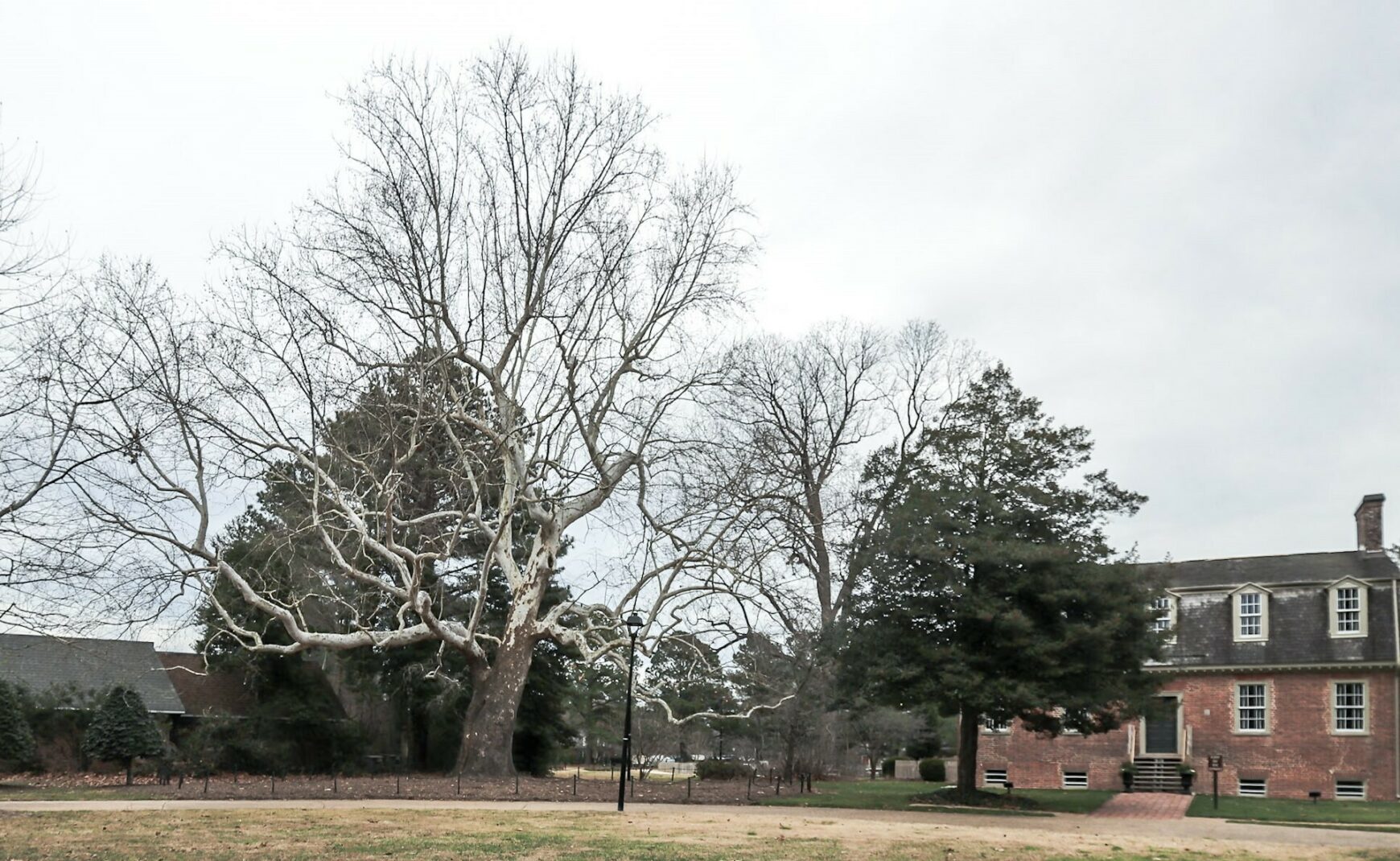
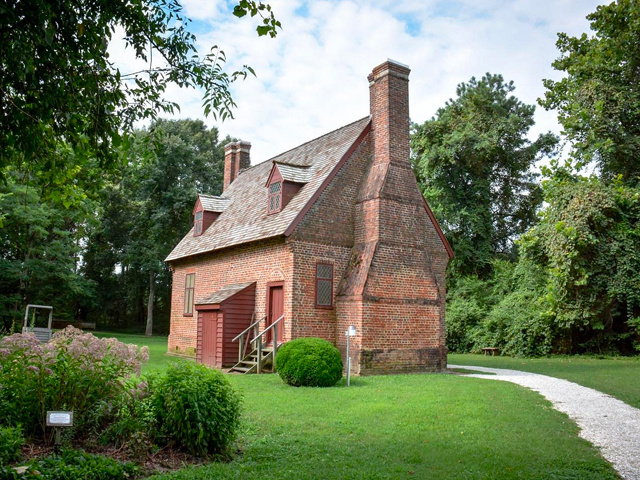
The massive, 300-year-old sycamore at the Francis Land House has lived through the American Revolution and the Civil War. It even predates the historic Francis Land House itself, which was built in 1805. Over centuries, the tree has withstood droughts, floods, hurricanes, and snow and ice storms. It is one of the oldest living things in the City of Virginia Beach.
Despite its resilience, the community nearly lost this remarkable tree — an outcome that would have meant losing an irreplaceable piece of local history.
A City Recognized for Its Commitment to Trees
For the past 45 years, Virginia Beach has been named a “Tree City USA” by the Arbor Day Foundation. In order to earn this designation, communities must meet four core standards demonstrating their commitment to effective urban forestry management:
- A tree board or department
- A tree care ordinance
- Annual investment in tree care
- An Arbor Day observance
While these standards establish a strong foundation, Virginia Beach consistently goes above and beyond these requirements. Preserving trees such as the Francis Land House sycamore is just one example of the City’s efforts to nurture, grow and expand Virginia Beach’s tree canopy.
Trees as Essential Infrastructure
According to Frank Fentress, the City’s Park & Landscape Services administrator, his team’s role is not just about planting new trees, but whenever possible, preserving the ones we have. In particular, special ones like the sycamore at the Francis Land House.
“Trees are infrastructure just like roads, sidewalks and sewer pipes,” says Fentress. “They absorb stormwater and help cool our homes, schools and businesses. And, just like traditional infrastructure, they require regular maintenance to continue working properly.”
Because Virginia Beach has historically been an agrarian community, many large, old-growth trees were cleared long ago to make way for farming. As a result, heritage trees such as the Francis Land House sycamore are rare — making preserving it especially important.
Saving a 300-Year-Old Sycamore
In 1978, the sycamore — then approximately 70 feet tall with a circumference of about 15 feet — was suffering from significant heartwood decay. While heartwood consists of dead cells and does not transport nutrients, it does provide structural support. Arborists believed the decay stemmed from storm damage decades earlier, when one of two main trunks was torn away, allowing moisture to enter and slowly rot the center of the tree.
At the time, the City opted to stabilize the tree by trimming and filling the interior cavity. After trimming, the hollow space inside the trunk was roughly the size of a walk-in closet. In a process that The Virginian-Pilot likened to a dentist filling a rotten tooth, contractors filled the cavity with four tons of concrete and expansion joints — a method that is no longer considered best practice. At the time, however, the goal was to fill the void to make the tree sturdier, prevent insect infestation and eliminate areas where water could collect.
In the 70s, arborists estimated that the sycamore had about 150 years left to live and predicted that the tree trunk would eventually grow around the concrete patch until it was no longer visible.
A Second Chance — and a Thriving Tree
By 2012, the City’s Landscape team was again concerned about the sycamore’s health — and the potential damage such a large tree could do if it came down. However, rather than removing it, the team once more chose preservation.
Over a five-year period, they carefully reduced the tree’s crown to lessen the strain of moving nutrients to its outermost branches. They installed a chain enclosure around the perimeter to prevent foot traffic over the root zone, provided supplemental fertilization, and closely monitored the tree’s condition.
The effort paid off. Today, the sycamore is thriving, and Fentress estimates it will live to be enjoyed by Virginia Beach residents for generations to come.
Protecting Trees Citywide
Preserving heritage trees is only one part of the City’s broader strategy to expand and preserve the tree canopy. Park & Landscape Services also works to save trees throughout Virginia Beach during development and construction — starting early with the development project review process.
Rather than accepting tree removal as the easiest option, City arborists regularly suggest design alternatives that allow development to move forward while keeping mature trees intact. This approach has played out in projects across the city.
- May 31 Memorial (Municipal Center): During construction on the northwest edge of the municipal campus, the City arborist encouraged the contractor to erect chain link fencing and put down mulch around surrounding trees before construction began, safeguarding critical root zones.
- Aqua Development (Resort Area): To preserve the live oaks along 25th Street, contractors were required to protect root zones, while Park & Landscape Services provided fertilizer injections and pruned the trees to reduce the canopy and reduce stress. Radial trenches were also dug to aerate roots and improve the trees’ chances of surviving construction.
Working Around Trees in Neighborhoods
In Courthouse Estates, Park & Landscape Services collaborated with Public Works to preserve the neighborhood’s signature tree-lined streets by replacing sections of traditional concrete sidewalk with a material called flexipave. Unlike concrete, which can crack as roots grow and does not allow water to pass through, flexipave accommodates root growth and improves drainage. The result is safer sidewalks and healthier trees — without forcing residents to choose between shade and walkability.
Community Stewardship and Volunteer Efforts
Beyond construction and design solutions, the City’s team also mobilizes volunteers to support tree health. Crews have organized efforts to remove invasive vines that were smothering trees along the Shore Drive Trail in Bayville, at Marshview Park and around Lake Lawson and Lake Smith — helping existing trees recover and thrive.
Growing a Canopy for the Future
From protecting a 300-year-old sycamore to rethinking sidewalks and construction practices, Virginia Beach’s approach to landscape management reflects a simple but powerful idea: Trees are long-term investments in the health, beauty and resilience of the community. By maintaining them as essential infrastructure — and choosing preservation whenever possible — the City is not only honoring its past, but also growing a stronger, greener future for everyone to enjoy.
Keep Reading
See All PostsBlog

Blog
Blog

-
Calendar News Blog Hot Topics Multimedia Social Media Mobile Apps