





Be In The Know
August 18, 2025
Keeping Private Ponds Fresh: A Guide for Virginia Beach Residents
10 tips for maintaining healthy, attractive private neighborhood ponds.
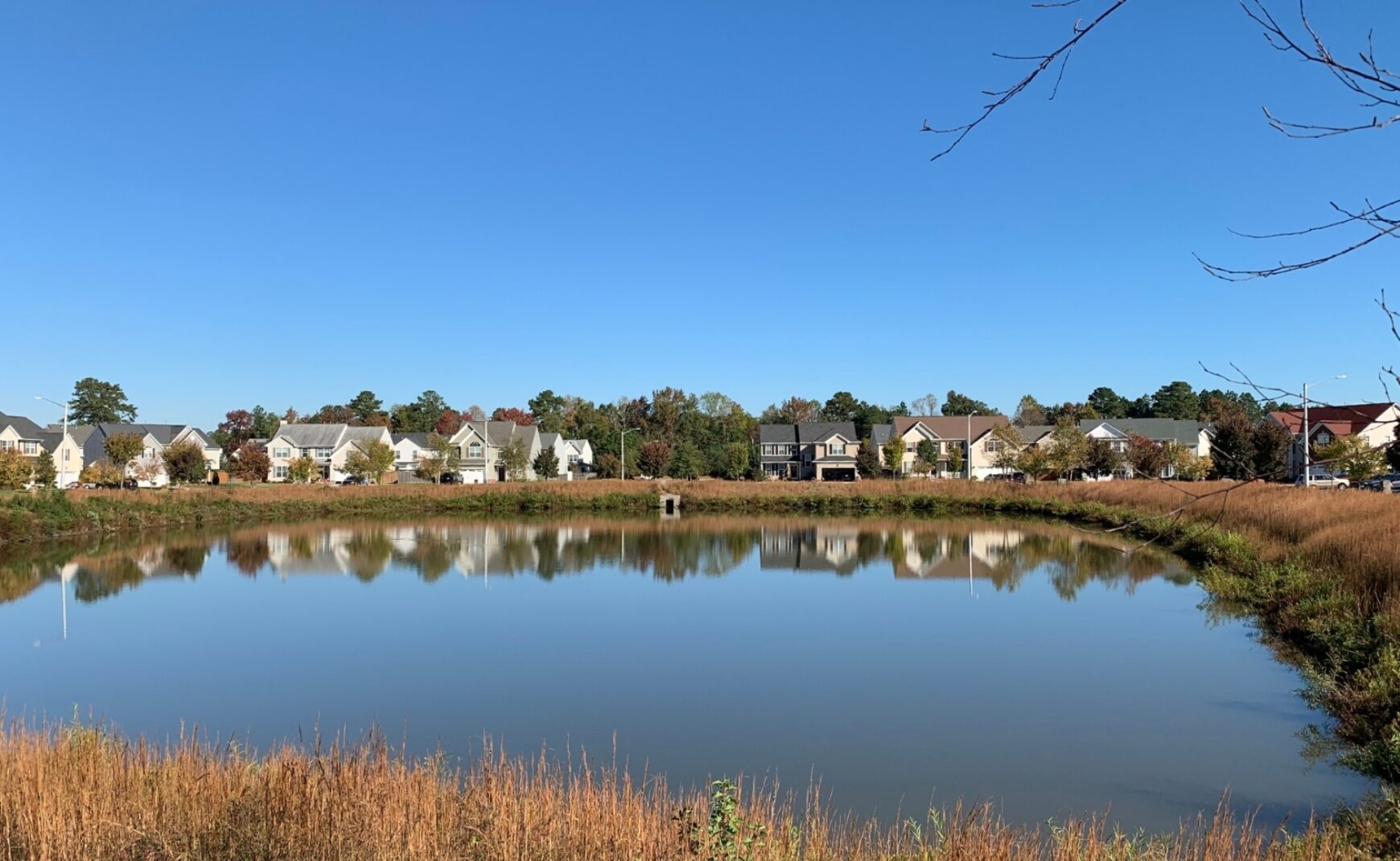
Editor’s Note: Due to an ongoing investigation into odor concerns regarding a private pond near Mount Trashmore, the City is actively working with the community to test water quality in Thalia Creek. If you have a private waterway in your backyard, here is some advice from the City’s Stormwater Management Regulatory Public Works team.
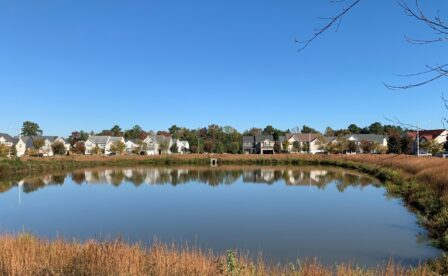
Private ponds are an important feature in the City of Virginia Beach. They can add beauty, value and wildlife habitat to a community, but ponds also require constant care. Proper maintenance is essential to ensuring no problems occur, such as unpleasant odors, algae blooms, fish kills or unhealthy water conditions.
If you live next to a private pond, here are 10 important steps you can take to help protect it:
1. Algae: The Good and the Bad
- Monitor for algae blooms. Strong odors often signal excess algae. Watch for unusual growth or surface scum early so it can be addressed before spreading.
- The Good: Algae, a plant-like aquatic organism, grows naturally under the right conditions (just the right amounts of phosphorus, nitrogen, sunlight and acidity at the right water temperature). It is the basis of the food chain in a healthy lake and is eaten by little critters (such as zooplankton and protozoa), which are in turn eaten by bigger creatures and fish. A healthy lake has algae.
- The Bad: Too much algae uses up oxygen needed by other aquatic organisms, including fish. An algae bloom blocks sunlight from reaching underwater plants. Some algae can produce toxins that are harmful to higher forms of life, affecting the food chain. As the algae die, the decaying process consumes dissolved oxygen in the water, which is needed by fish and other organisms. The lake starts to look bad and smell worse.
2. Limit Fertilizer Use
- Fertilizer runoff is one of the main causes of pond odors and algae growth. Use only what’s necessary and keep applications away from the pond’s edge.
- Before you fertilize, know what your soil needs, and test your soil. If you do fertilize, choose slow-release fertilizers, fertilize during dry weather and at the right time of year for your grass type, and sweep up any extra that falls onto pavement.
3. Skip the Pesticides and Herbicides
- Avoid the use of chemical pesticides and herbicides. Plant native plants that are better suited to local conditions and use natural methods of pest control.
- Set your lawnmower blade at its highest setting. Taller grass encourages deep root growth and shades out some weeds, making your lawn healthier and reducing the need for fertilizer and pesticides.
4. Pick Up After Your Dog
- Take responsibility for your dog, not only for what goes in, but also for what comes out. Dog poop in stormwater runoff is a major cause of nutrients and bacteria in our lakes and waterways. Carry a bag when you walk, scoop it up, and put it in the trash.
5. Leave Grass Clippings on the Lawn
- As grass clippings break down, they return nitrogen to the soil, so your lawn needs less (or no) added fertilizer.
6. Don’t Feed Geese and Ducks
- Most Canada geese and ducks are migratory, but they don’t migrate when resources are plentiful. Feeding them encourages them to stay in town year-round, and their waste, which is full of bacteria and nutrients, runs off into our lakes. By letting ducks and geese compete naturally for resources instead of feeding them, you help reduce the amount of duck and goose poop entering our lakes.
7. Only Rain Down the Storm Drain
- Take your car to a car wash. If you wash your car at home, park it on the lawn so soap and grit settle into the grass, instead of running into the storm drain.
- Keep leaves and debris out of the gutter and sweep instead of hosing off your driveway.
- Don’t drain pool water with chemicals. Run the hose onto your lawn and not directly to the gutter or pond.
8. Maintain Trees and Debris
- Prune damaged or overhanging tree limbs around the pond. Remove floating branches or debris from the water when safely accessible to maintain water flow and reduce hazards.
9. Address Erosion Promptly
- Repair eroding banks as soon as issues are noticed. Timely action prevents more serious damage and protects both water quality and pond stability.
10. Work Together as Neighbors
- A healthy private pond benefits everyone. Stay engaged, report issues promptly, and encourage others in your community to follow best practices.
- Implementing a public education program for lake neighbors to learn how their own actions on their properties can help control algae growth in the lake.
- Engaging a licensed contractor for ongoing lake inspection and maintenance. Inspection and maintenance by a trained, licensed contractor will help control algae growth before it gets bad and will help avoid potentially expensive additional lake treatments.
Keep Reading
See All PostsBlog
Blog

Blog

-
Calendar News Blog Hot Topics Multimedia Social Media Mobile Apps