





Be In The Know
September 18, 2026
The Virginia Beach Forensic Sciences Unit Fights Crime 24/7/365
National Forensic Science Week recognizes forensic experts and their vital role in the criminal justice system.
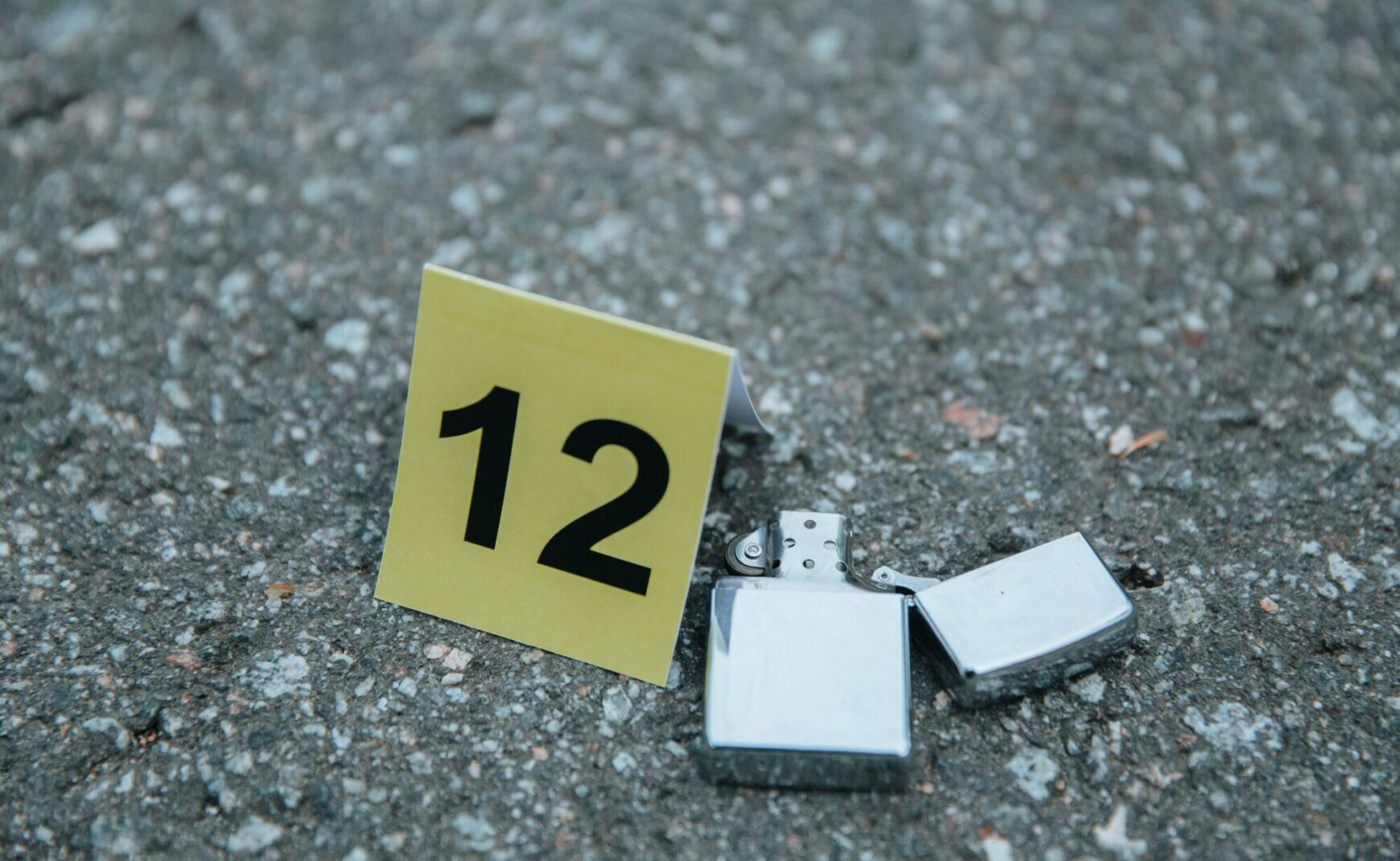
Crime television shows have viewers hooked on entertaining drama featuring forensic science. It’s no less fascinating to learn what’s happening in real life right in our city with the Virginia Beach Police Department Forensic Sciences Unit (FSU). FSU’s efforts with objective evidence often help identify suspects, clear the innocent, solve cold cases, and support our legal system.
VBPD Forensic Sciences Unit
During National Forensic Science Week, Sept. 20-26, the spotlight shines on FSU and the vital work happening behind the scenes. The Forensic Sciences Unit is comprised of 17 highly trained professionals, including a forensic unit supervisor and an administrative technician over both the unit's sections: Crime Scene and Latent Fingerprint.
In the Crime Scene Section, there are seven forensic specialist II, a forensic specialist I, one National Integrated Ballistic Information Network (NIBIN) technician, and three forensic specialist supervisors. A forensic specialist supervisor, forensic specialist II and forensic services technician make up the Latent Fingerprint Section.
These experts work around the clock to ensure forensic specialists are available at any hour to respond to crime scenes. Their work includes documenting scenes, collecting and preserving evidence, and providing detailed analyses. This year alone, they have responded to more than 430 cases and collected over 2,000 items of evidence — materials that may later be processed for DNA, fingerprints and other identifying information.
Forensics even plays a role beyond criminal investigations, including identifying victims of mass disasters or accidents when traditional methods are not possible.
Specialized Skills Set VBPD Apart
Each forensic specialist undergoes extensive training in a specific discipline. Areas of expertise within VBPD include shooting incident reconstruction, serial number restoration, forensic entomology and buried-remains recovery, digital evidence enhancement, and bloodstain pattern analysis.
To be recognized as an expert in these fields, specialists complete at least four years on the job, a minimum of 80 hours of specialized training, national certification, in‑house tests and practical exercises, and a mock expert‑witness court testimony.
Many of these specialties are rare nationwide. For example, a VBPD FSU professional is one of only nine individuals in the U.S. and Canada to hold a certification from the American Board of Forensic Entomology.
NIBIN: Cross-Jurisdiction Cases
One specialty drawing significant attention is the National Integrated Ballistic Information Network. NIBN captures high-resolution images of microscopic marks left on cartridge cases, essentially creating a “firearm fingerprint.” These images are entered into a national database that helps investigators identify links between cases, even across different states.
Before VBPD obtained its own NIBIN terminal in 2021, ballistic evidence had to be sent to the state lab, a process that could take months. Today, ballistic evidence can be analyzed and entered into the system in less than a day.
With a dedicated shooting room completed in 2025, VBPD’s capacity continues to grow. Since 2021, the unit has test fired about 4,700 firearms, received over 16,290 cartridge cases, and entered more than 6,489 cases into NIBIN.
Latent Fingerprints: Century‑Old Science Still Solves Crimes
The Latent Fingerprint Section works closely with crime scene specialists, examining fingerprint cards for unique pattern types. These prints are entered into the Multimodal Biometric Identification System (MBIS) to locate potential suspect matches.
Fingerprints fall into three categories — whorls, loops and arches — and no two fingerprints have ever been found to be identical. Fingerprinting has been used for criminal investigations for more than 130 years, with hundreds of thousands of fingerprints being compared. Each year, the FSU handles more than 1,800 fingerprint comparisons.
DNA Analysis: A Genetic Blueprint
DNA, present in almost every cell of the human body, remains one of the most powerful tools in forensic science. Sources include blood, saliva, sweat, skin cells and hair root follicles.
DNA profiles are compared through the Combined DNA Index System (CODIS). The probability of two unrelated individuals sharing the same DNA profile can be as low as 1 in 8.1 billion, greater than the world’s population.
Interested in a Forensic Career?
For students pursuing forensic science degrees, VBPD offers summer internships within the Crime Scene and Latent Fingerprint sections. Interns contribute to research projects while gaining hands‑on insight into forensic careers and investigative responsibilities and can apply between November and January each year.
To learn more about Forensic Sciences Unit, including internship information, visit VirginiaBeach.gov/VBPD-Forensics.
Keep Reading
See All PostsBlog

Blog

Blog
-
Calendar News Blog Hot Topics Multimedia Social Media Mobile Apps