





Be In The Know
July 15, 2026
Beat the Heat: Tips to Stay Safe During Extreme Temperatures in Virginia Beach
Residents can reduce risks through simple safety measures, while EMS remains ready to respond.
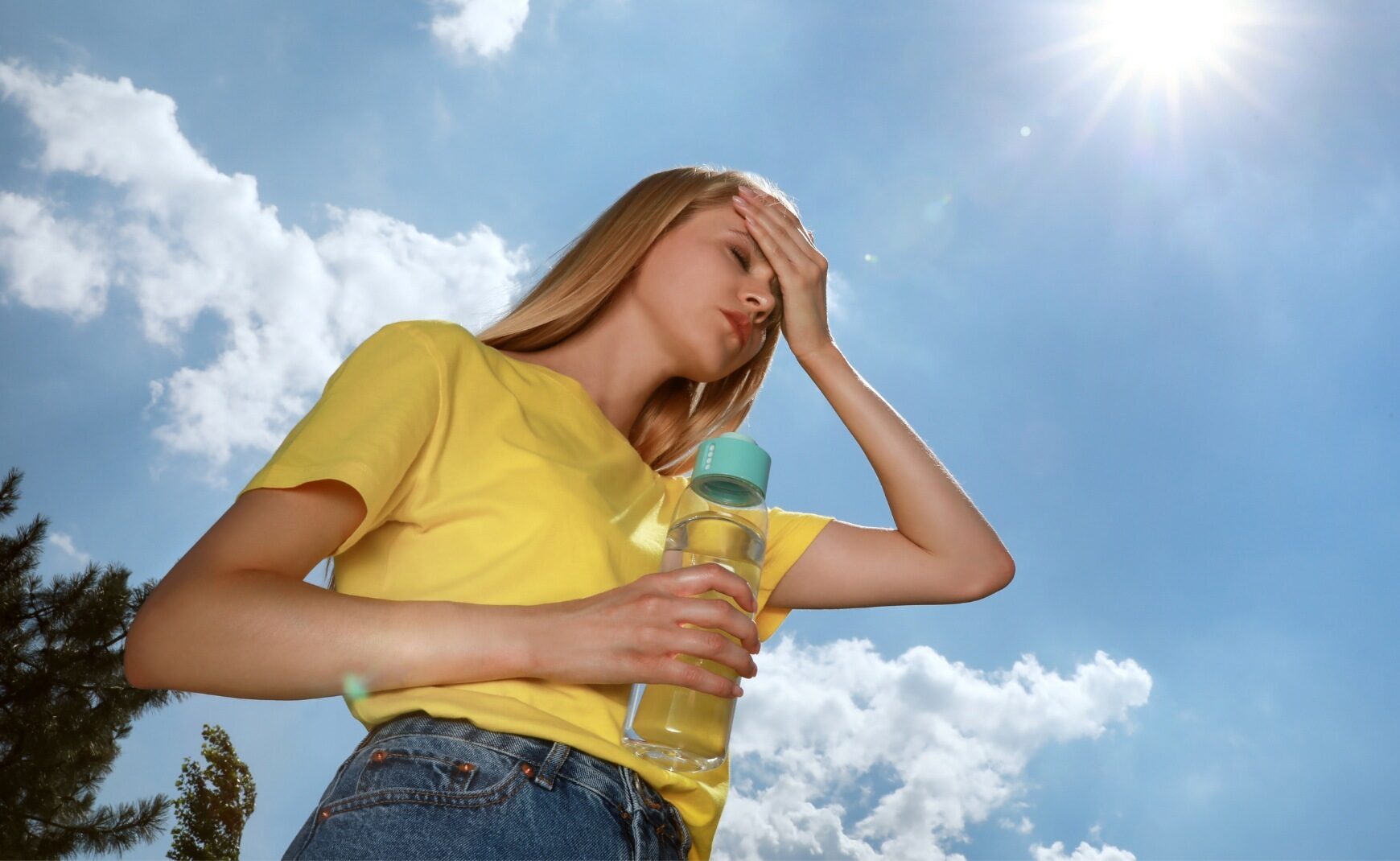
With summer temperatures steadily climbing, it's important to be aware of the signs of heat-related illnesses and ways to stay safe outdoors. Virginia Beach Emergency Medical Services (EMS) is actively responding to calls for heat exhaustion and heat stroke, two dangerous conditions that can escalate quickly without prompt attention.
Heat Exhaustion vs. Heat Stroke
Heat exhaustion and heat stroke are both serious heat-related conditions that can develop after spending excessive time in high temperatures. While they share similar causes, they differ in their warning signs and severity.
Signs of heat exhaustion
- Headache
- Dizzy or fainting
- Heavy sweating
- Cold, pale and clammy skin
- Nausea or vomiting
- Fast, weak pulse
- Weakness or muscle cramps
- Excessive thirst
“Heat exhaustion is your body telling you it’s getting overheated, and you need to cool down, fast,” EMS Assistant Chief Bruce Nedelka said. “Pay attention to the signs and listen to your body.”
Signs of heat stroke
- Headache
- Confusion or delirium
- Possible loss of consciousness
- No sweating/dry skin
- Hot, red skin
- Nausea or vomiting
- Rapid heart rate
- Body temperature above 104 degrees
Heat stroke occurs when the body shuts down, stops sweating and becomes dangerously hot. This is why heat stroke is a life-threatening emergency requiring immediate medical care.
Being aware of these warning signs helps ensure that you, or someone nearby, can get help quickly and safely.
Prevention and Response
If someone begins to feel hot, dizzy or sweaty, they may be experiencing heat exhaustion. Acting quickly can prevent the condition from progressing.
What to do for heat exhaustion
- Hydrate with small sips of water or a sports drink. Avoid alcohol and smoking.
- Move to a cooler, air-conditioned place. Cool down for several minutes.
- Lie down if needed.
- Take a cool shower or use cold compresses if possible.
- Seek medical attention if vomiting continues.
- Remove tight-fitting clothing or extra layers.
- Act quickly. Untreated heat exhaustion can lead to heat stroke.
To help prevent heat exhaustion, remember to bring a hat, sunscreen, sunglasses and proper footwear when heading to the beach or any area with limited shade.
What to do for heat stroke
If heat exhaustion progresses to heat stroke, bystanders should respond immediately.
- Call 911 immediately. This is a medical emergency.
- Move the person to a cooler location.
- Apply cold compresses to help lower body temperature.
- Do not give fluids.
EMS staff will evaluate the individual and determine whether they need to be taken to a hospital for further evaluation.
Beat the Heat
Residents and visitors can cool off at any one of the 10 Virginia Beach Public Library locations during normal business hours.
Residents may also apply for cooling assistance online at CommonHelp.Virginia.gov or in person at the Virginia Beach Department of Human Services main office, 3432 Virginia Beach Blvd. A drop box is available outside for paper applications.
The Cooling Assistance Program provides financial help for purchasing or repairing cooling equipment or paying electric bills needed to operate cooling systems. For details on this program and other Virginia Energy Assistance Programs, visit Virginia Beach Human Services’ Financial Assistance webpage, or call 757-385-4306.
Staying aware of heat risks and knowing when to seek help are some of the simplest ways to stay safe during extreme heat. Recognizing early signs of heat exhaustion, acting quickly and calling 911 when symptoms escalate can help prevent serious medical emergencies.
Keep Reading
See All PostsBlog
Blog

October 2, 2026
Sandler Center Art Gallery: New Exhibit Features Work from Virginia Beach Artist Pamela Ponce
Blog

-
Calendar News Blog Hot Topics Multimedia Social Media Mobile Apps